How Content Engagement Data Improves 3 of 4 Sales Velocity Variables
The sales velocity formula is a reporting metric for most teams. But content engagement data from your shared proposals turns it into an operational lever. Here's the math.
Your intent platform tells you which accounts are surging. But the strongest buying signals come from how prospects engage with the proposals and decks you already sent them.
Every vendor defines first-party intent data as website behavior. But the highest-fidelity buying signals come from content you share directly with prospects — and nobody includes them in the conversation.
Most MEDDIC scorecards are filled with rep intuition, not evidence. Here's how document engagement data validates Champion, Economic Buyer, Decision Process, and more.

Budget, Authority, and Need are assessable. Timing has always been a guess. Here's how to measure it with content engagement data.

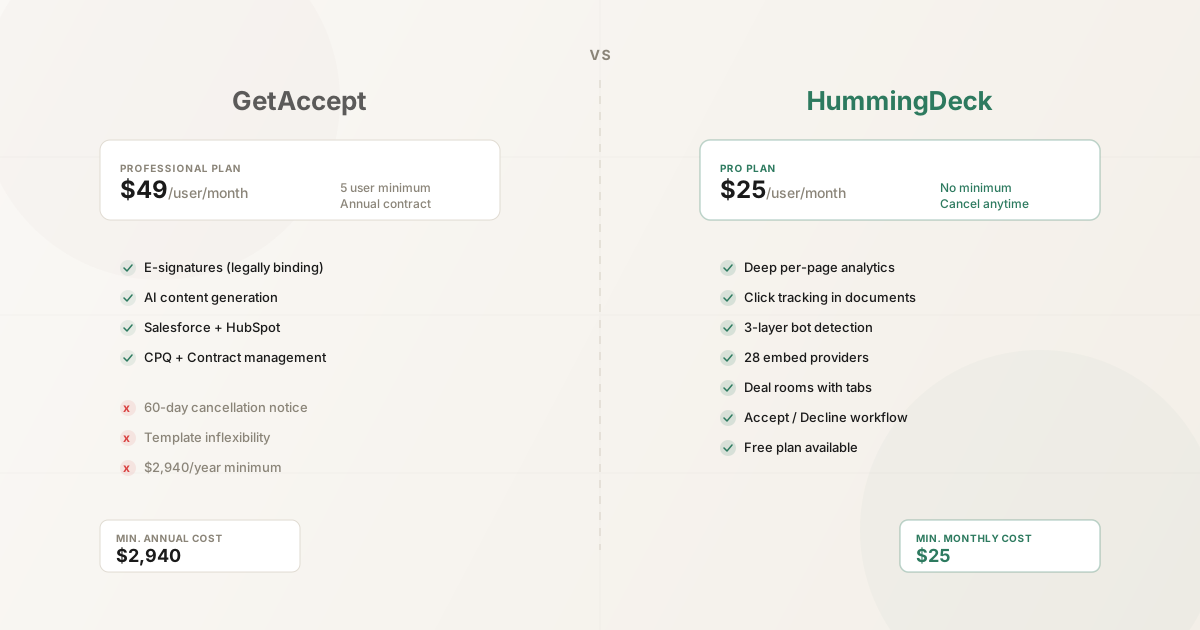
GetAccept is powerful but costs $49/user/month with a 5-user minimum and annual lock-in. Here's when HummingDeck is the more practical alternative for deal rooms, document sharing, and engagement analytics.
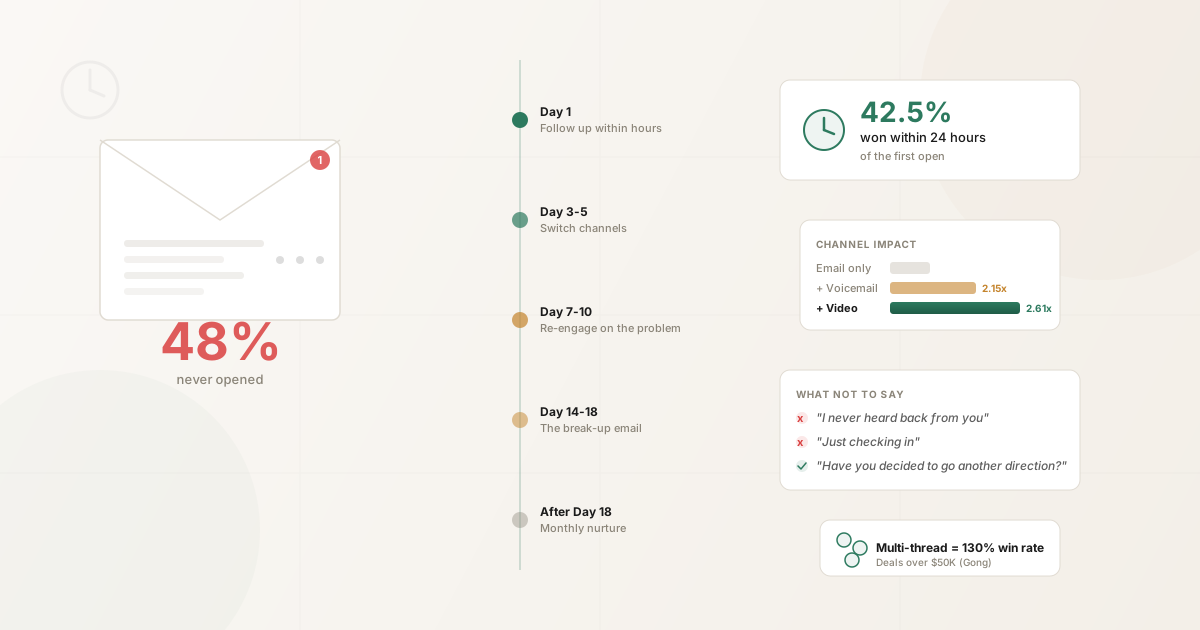
48% of deal rooms never get opened. 86% of B2B purchases stall. Here's what the research actually says about proposal follow-up timing, why prospects go silent, and the multi-channel cadence that recovers dead deals.
Most DSRs are built for enterprise. Here's a feature-by-feature audit of what small teams actually need — and what's overkill for straightforward deals.

Proposal management software creates proposals. Tracking software shows who opened them. Here's how they compare and how to pick the right one for your team.

48% of deal rooms never get a single buyer view. Here's why — and what separates the rooms that work from the ones nobody opens.
We tested read receipts across Gmail, Outlook, and Apple Mail. The results aren't great — but there's a method that reliably shows you if someone read what you sent.
See if your prospect viewed your proposal, which pages they read, how long they spent, and when they came back — with per-page engagement analytics.

A digital sales room replaces scattered email attachments with a single tracked link. Here's how DSRs work, what they cost, and whether your team needs one.
The short answer: not directly. But there's a workaround that shows you exactly which pages they read, how long they spent, and whether they shared it with their team.
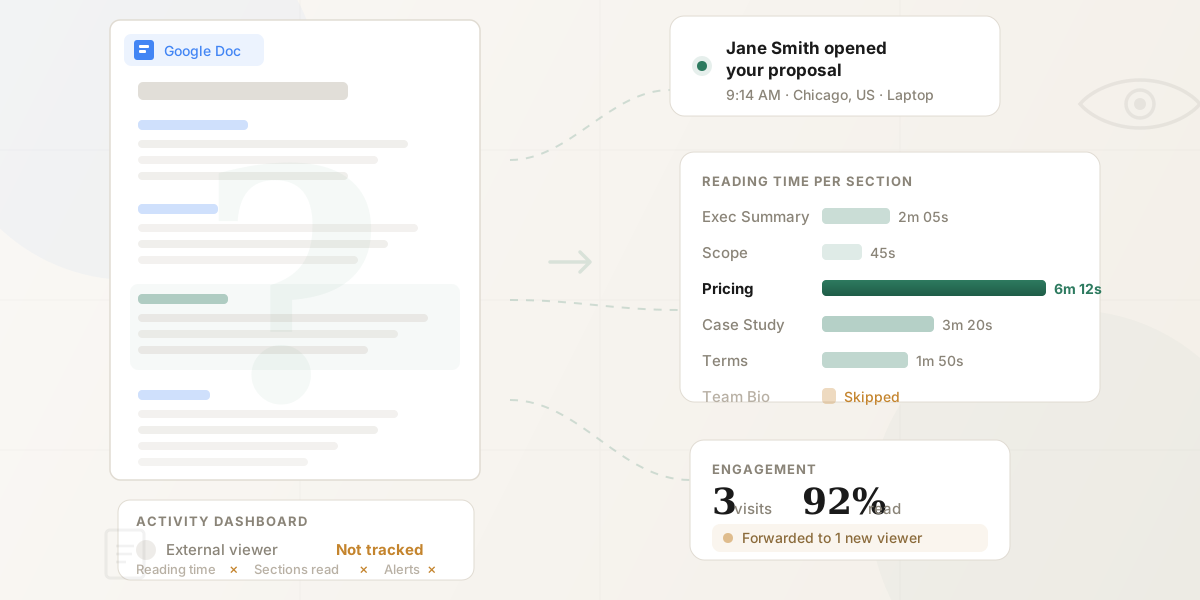
See exactly who opened your Google Doc, how long they spent on each page, and whether they shared it. Works for external viewers — not just your Workspace team.
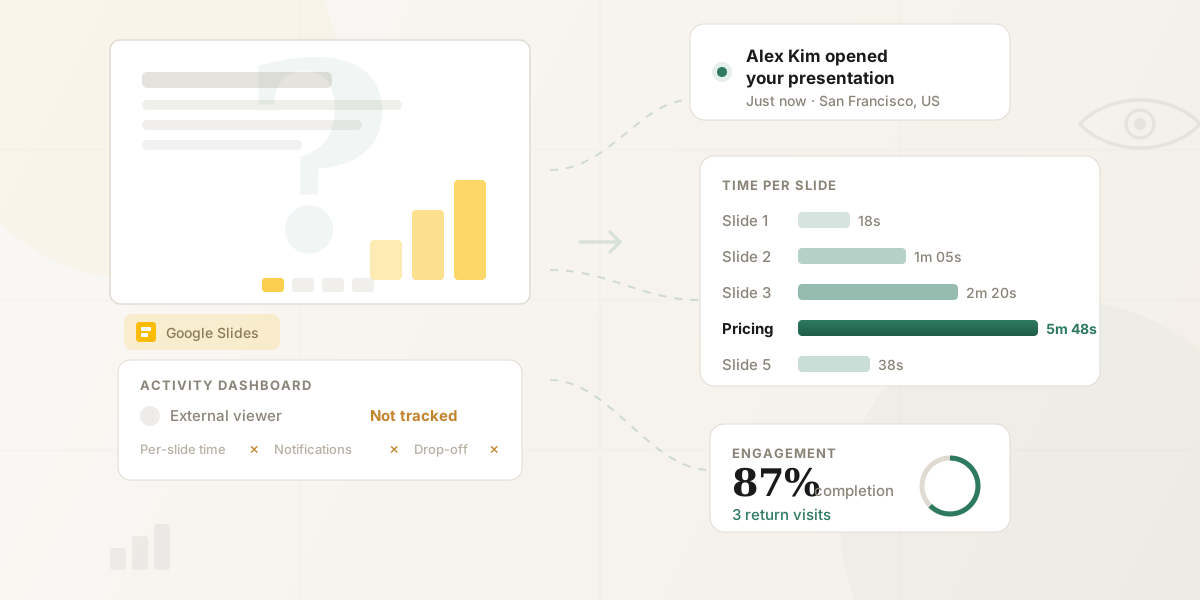
Google Slides shows who viewed your file — but only for internal users. Here's how to track external viewers too, with per-slide analytics and real-time alerts.
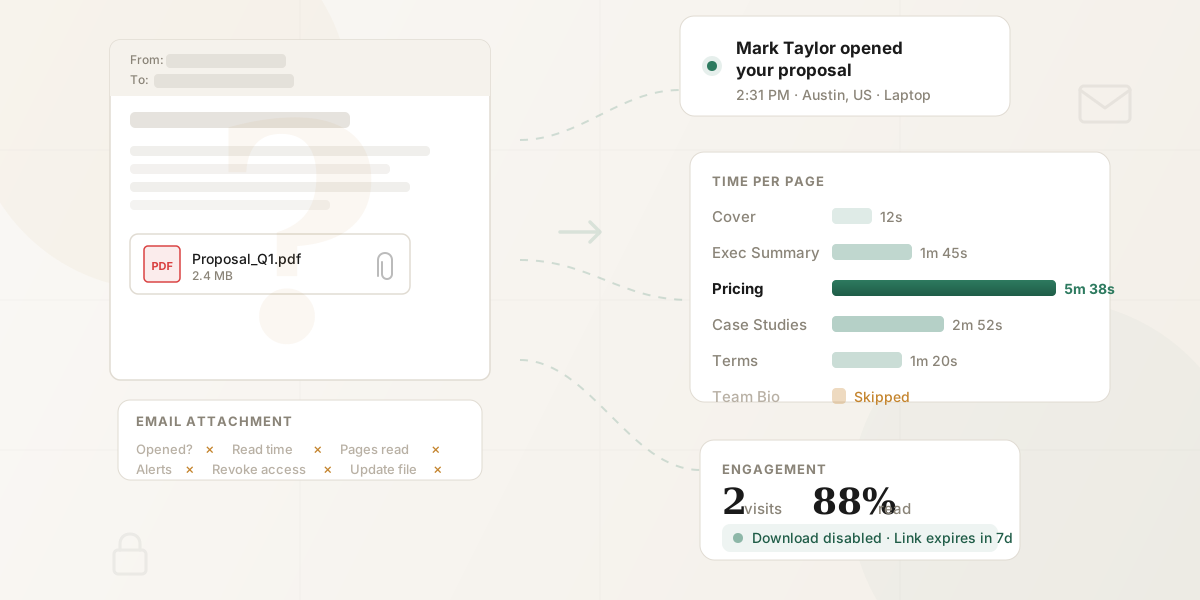
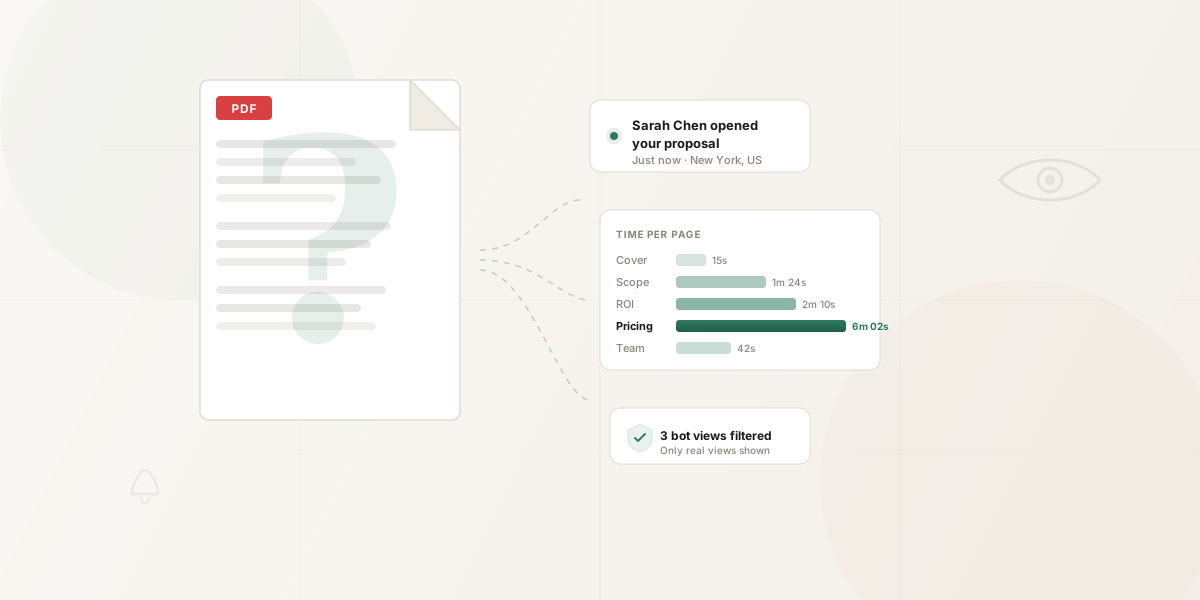
You sent a PDF and heard nothing back. Here are 6 ways to find out if they opened it — including one that shows you which pages they read and how long they spent on each.
5 ways to know if a prospect actually read your proposal — not just opened the email. From read receipts to per-page engagement tracking.

Every time you share a deck link via email, security scanners open it before your prospect does. Here's how bots fake views, clicks, and downloads — and the three-layer system we built to filter them out.
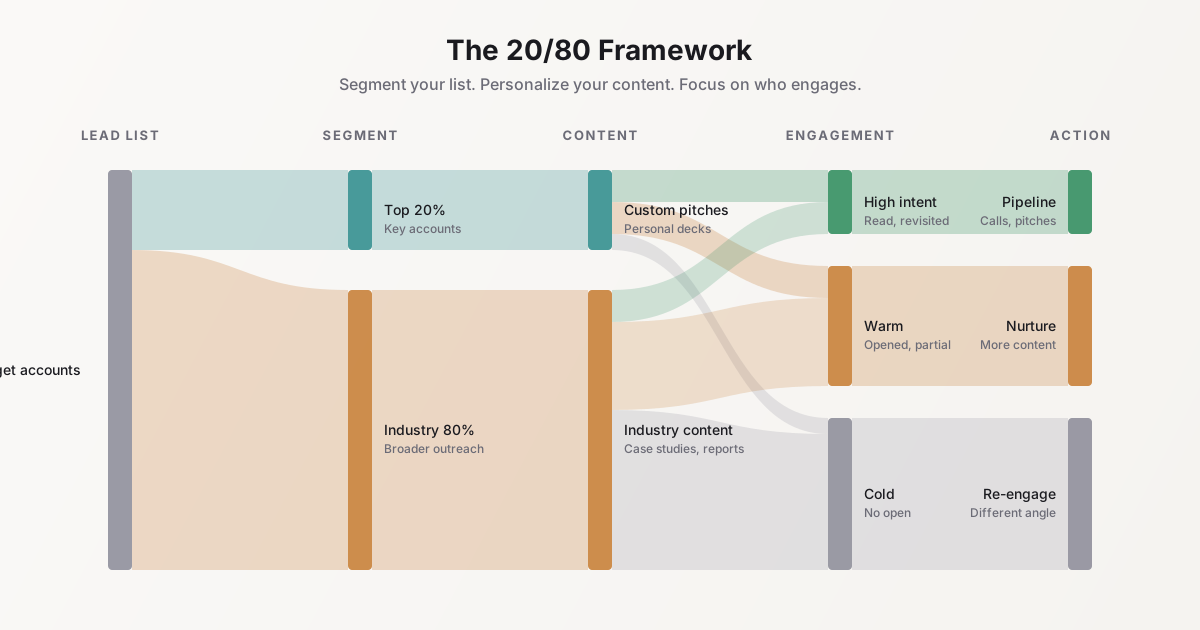
Not all prospects deserve the same effort. The 20/80 framework splits your list into high-value accounts that get deep personalization and the rest that get industry-relevant content — then uses engagement signals to tell you who's actually interested.
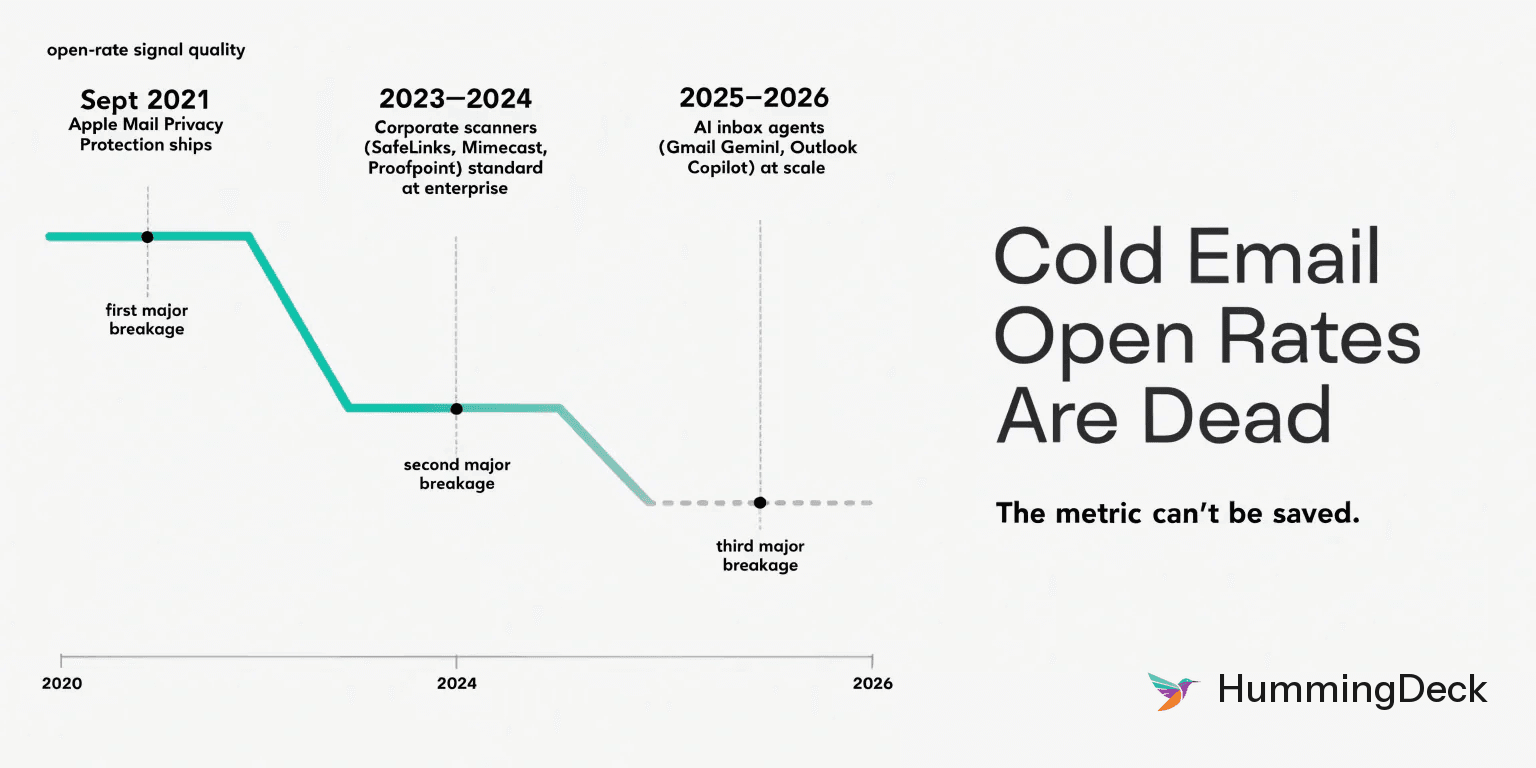
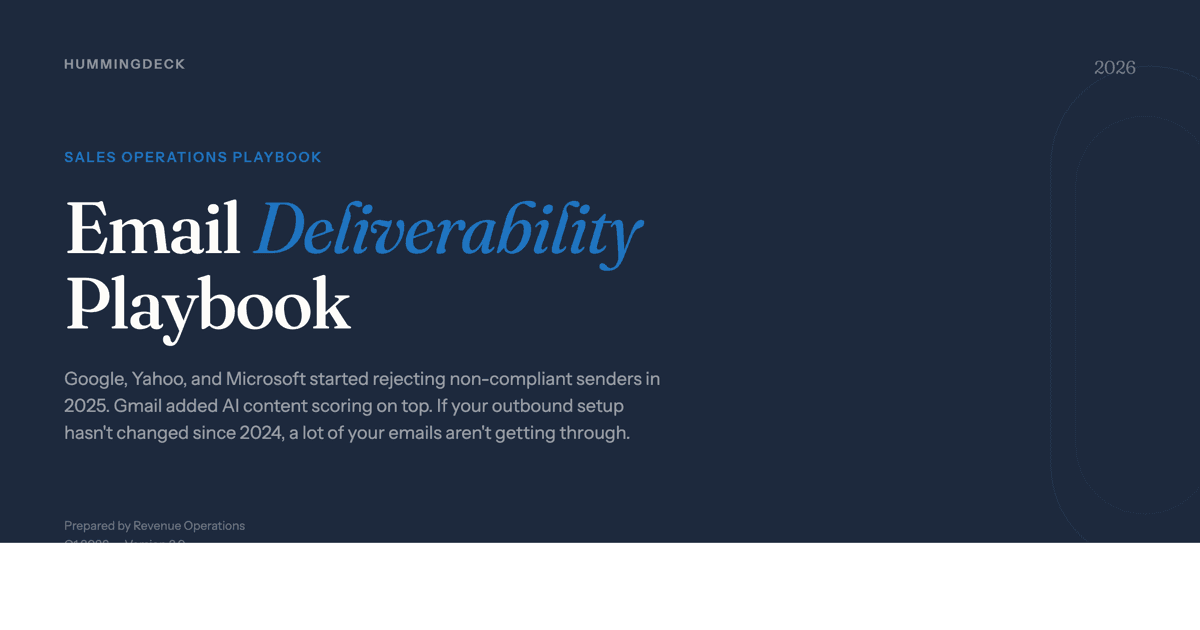
Google, Yahoo, and Microsoft now reject non-compliant senders outright. Here's what changed in 2025–2026 — authentication, domain setup, AI filters, and what to track instead of opens.

Cold outreach is collapsing. The reps who are winning are creating content, sharing it with prospects, and using engagement signals to focus on who's actually interested. We call it content-led prospecting.